Renewables at Scale: The Financial Reporting Questions Behind Every Energy Project
Renewables at Scale: The Financial Reporting Questions Behind Every Energy Project
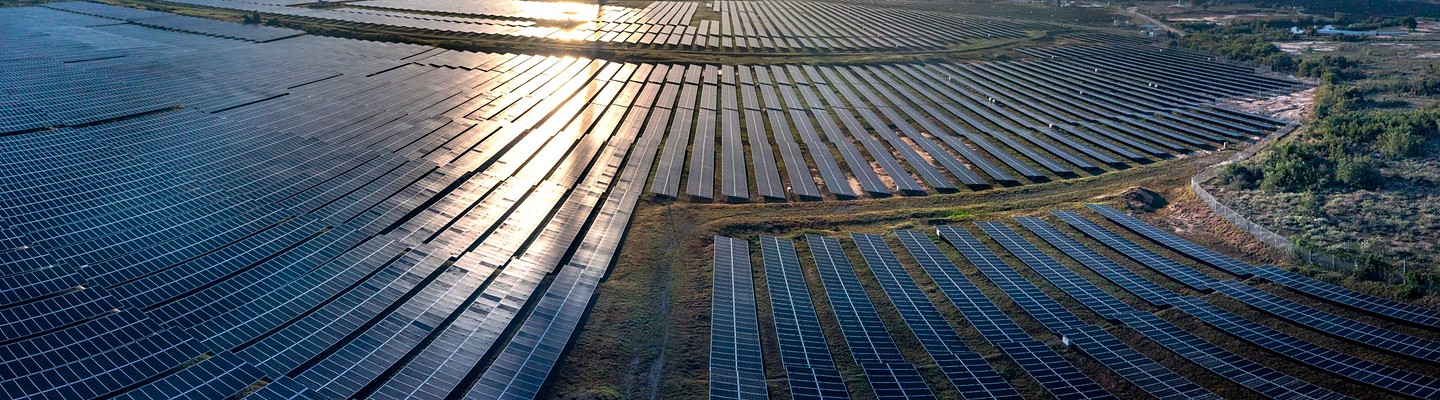
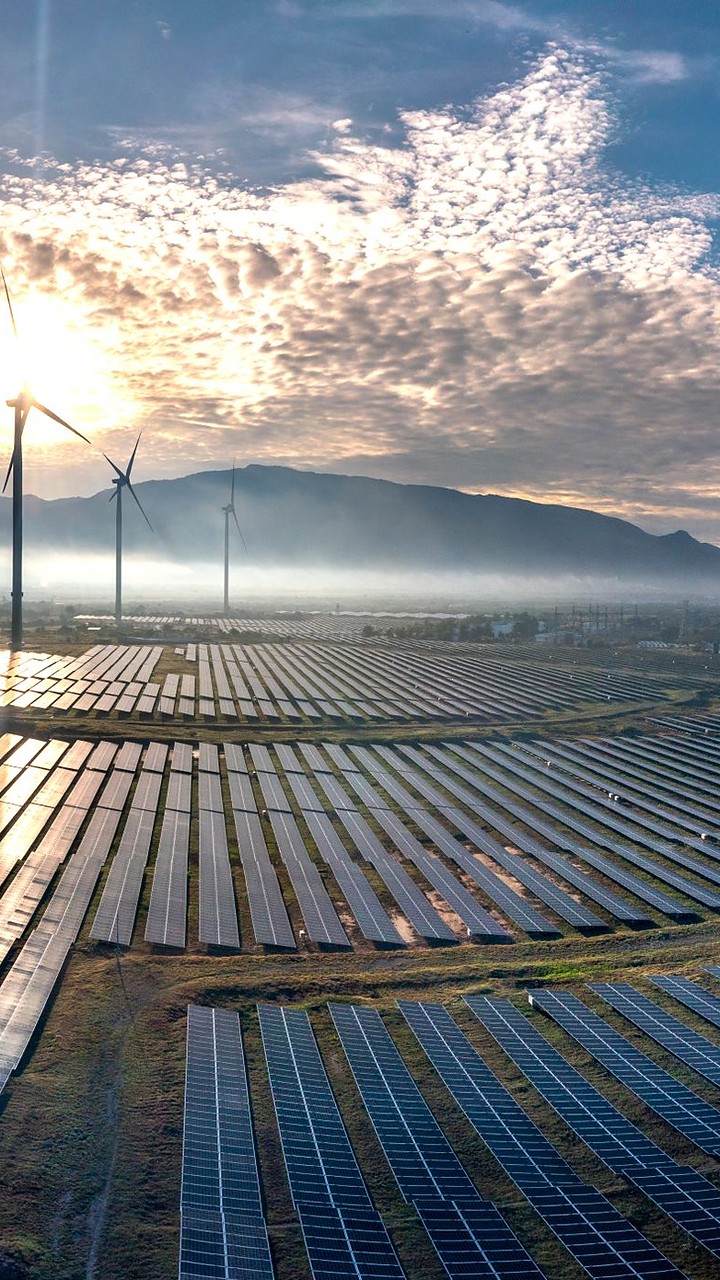
Azerbaijan's renewable energy build out has moved from announcements to operating capacity. The stated target is for renewables to reach around 30 percent of electricity generation capacity by 2030, representing more than four gigawatts. Projects already in the pipeline include the Bilasuvar solar plant at 445 megawatts, Neftchala at 315 megawatts and an Absheron and Garadagh wind project at 240 megawatts. Green energy output rose by more than 80 percent year on year in 2024.
Behind every one of these projects sits a set of financial reporting questions that determine whether the economics hold up under review.
Power purchase agreements are the first. Their classification drives revenue recognition, and where an agreement contains a lease component or an embedded derivative, the accounting treatment changes materially. Getting this wrong at financial close is difficult to unwind later.
Construction phase accounting is the second. Capitalisation of borrowing costs, the boundary between capitalised and expensed development expenditure, and the timing of when an asset is ready for its intended use all affect reported results and the covenant ratios that lenders monitor.
The third is the assurance package. International lenders and development finance institutions increasingly require more than audited financial statements. Cost verification, drawdown certification and, increasingly, sustainability related disclosure now form part of the funding conditions rather than an optional extra. Where a project has a foreign investor or an international lender, the reporting expectations are typically set by that party's home framework rather than local practice.
Getting these questions settled before financial close is materially cheaper than restructuring the answer afterwards.
BDO Azerbaijan supports energy projects with audit, financial modelling, cost assurance and sustainability reporting advisory. Contact our team to discuss your project's reporting requirements.
Behind every one of these projects sits a set of financial reporting questions that determine whether the economics hold up under review.
Power purchase agreements are the first. Their classification drives revenue recognition, and where an agreement contains a lease component or an embedded derivative, the accounting treatment changes materially. Getting this wrong at financial close is difficult to unwind later.
Construction phase accounting is the second. Capitalisation of borrowing costs, the boundary between capitalised and expensed development expenditure, and the timing of when an asset is ready for its intended use all affect reported results and the covenant ratios that lenders monitor.
The third is the assurance package. International lenders and development finance institutions increasingly require more than audited financial statements. Cost verification, drawdown certification and, increasingly, sustainability related disclosure now form part of the funding conditions rather than an optional extra. Where a project has a foreign investor or an international lender, the reporting expectations are typically set by that party's home framework rather than local practice.
Getting these questions settled before financial close is materially cheaper than restructuring the answer afterwards.
BDO Azerbaijan supports energy projects with audit, financial modelling, cost assurance and sustainability reporting advisory. Contact our team to discuss your project's reporting requirements.